


Another limiting factor in SME accounting scalability is the underlying database. Most entry-level accounting apps use a proprietary database or a third-party offering with an inexpensive licensing fee. On the other hand, true enterprise financial systems are likely to use expensive databases, such as IBM DB2, Oracle, or SAP, any of which can dramatically drive up licensing, implementation, and maintenance costs. It’s easy to use, affordable, and comes with a full suite of tools for managing sales, expenses and inventory.
What You Get With Paychex Small Business Payroll Services

Dynamics 365 Finance offers a reporting feature that can provide detailed insights into your financial health. The functionality pulls real-time data directly from the software’s general ledger and other integrated modules, such Accounts Payable Management as accounts payable, accounts receivable, and project management. Enterprise accounting software refers to advanced and comprehensive software solutions designed to meet the complex financial needs of large organisations or enterprises. Our best accounting software for big businesses automates invoicing, categorizes expenses, and ensures timely payments, streamlining financial operations. Our playbooks and explainers are packed with advice from real business lenders, accountants, credit card processing experts, tax advisers and other finance professionals. Zoho does offer a forever-free plan as long as revenue falls under the threshold of $50,000 for the fiscal year.
- Its enterprise-grade accounting tools encompass a wide range, including payment processing, fixed asset management, and much more.
- These models are comprised of what-if scenarios and benchmarks using software as a service metrics.
- For example, if you run a small freelance business, project-based billing might be the most important feature.
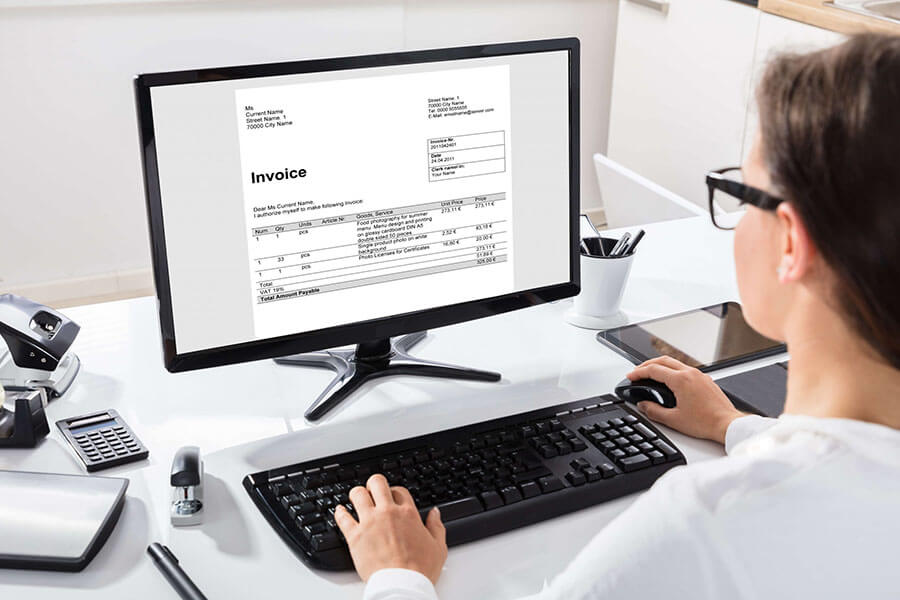
- Features like recurring invoices, automated payment reminders and online payments make it easy for clients to pay how they like.
- Zoho Books was the easiest-to-use accounting software system we tested, making it a great option for non-experts.
Improved Accuracy of Financial Data

It may be too complex for many users especially small to midsize businesses (SMBs). When it comes to features, FreshBooks’ invoicing tool is easy to use and we liked that we could change settings directly from the page we were working on. FreshBooks’ mobile app also lets businesses easily track expenses on the go and comes with a mileage-tracking function for more accurate tracking and tax deduction calculation. Unlike most competitors, with FreeAgent, businesses get access to unlimited users, invoices, expenses and advanced reporting tools, right from the start.
- “Make sure the software is easy to navigate and understand, especially if you don’t have an extensive amount of experience in accounting,” Wilkinson advised.
- Zoho Books is ideal for small-to-medium-sized businesses (SMBs) that want to take advantage of the platform’s large extensive business ecosystem.
- Justworks also doesn’t offer robust automation or reporting capabilities like some other payroll platforms.
- We love how FreshBooks makes it easy to create professional invoices, get paid quickly and track down past-due payments.
- Performance of built in dashboards, real time reporting and revenue management are also supported through these online financial software for small to mid sized accounting firms.
Online Invoicing
This makes it a solid pick for businesses looking to expand or operate internationally. CustomBooks, formerly AccountingSuite, is best for CPAs and small to mid-sized companies with anywhere from five to 500 employees. It automates routine tasks like tax filing, reconciliation, report generation, and account allocations. This allows you to focus on higher-value activities for clients through strategic advising or tax planning. The platform is known for its large business accounting high level of customization, along with convenient automation scripts that streamline workflows. The user-friendly setup, intuitive dashboard, and scalable plans make NetSuite a compelling choice for businesses to consider.
- Global accounting platforms ensure growing large businesses comply with enterprise accounting standards.
- Disrupted workflows, data discrepancies, and compliance breaches are some of the potential minefields awaiting those who hastily embark on software decisions.
- Quickly uncover insights on productivity, costs, or virtually any topic you can think of, when data is available at your fingertips, even from third-party apps.
- Our best accounting software for big businesses automates invoicing, categorizes expenses, and ensures timely payments, streamlining financial operations.
- Additionally, custom workflows for document approval and handling can be set up through integrations, improving efficiency and collaboration.
- Rippling’s unified data model gives you unparalleled configurability in—and across—your tools.
- Rippling is a common choice due to its unified data model, scalable platform, and automatic payroll features.
- QuickBooks allows accounting firms to handle multiple clients efficiently, with organized dashboards and client-specific settings.
- Information stored in cloud-based accounting software is encrypted meaning it is extremely difficult for cybercriminals to hack into it.
- During our free trial of Business Central, we tested a comprehensive array of financial tools, from cash flow forecasting to customizable reporting.
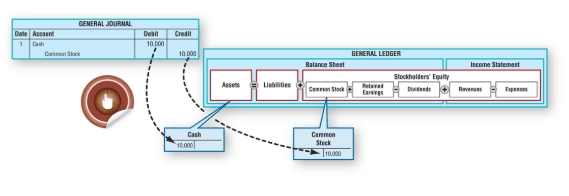
One of the key benefits of accounting software is its ability to automate repetitive tasks. For instance, it can automatically generate invoices, manage inventory levels, and process payroll, saving time and reducing the potential for human error. Accounting software is a specialized application designed to help individuals and businesses manage their financial affairs with efficiency and accuracy. Its primary function is to record and process financial transactions within functional modules such as accounts payable, accounts receivable, payroll, and general ledger. Gripsell Accounting streamlines enterprise efficiency by automating complex workflows and optimizing operations for scalable, seamless financial management. A more robust accounting system will help you support multiple divisions within the same company.
Why are ERP systems important?
Enterprise accountants deal with sensitive financial information that is a prime target for cybercriminals. Data breaches and security lapses can have catastrophic consequences, including financial losses and loss of trust from stakeholders. To mitigate these risks, accountants must employ robust cybersecurity measures, such as encryption, secure cloud storage, and employee training to recognize and prevent phishing attacks. Depending on the complexity of balance sheet your business, installation, feature selection, onboarding, and even ongoing support, can all save significant time, at both the implementation stage and if anything ever goes wrong. Good planning and coordination between your staff, the reseller, and your accountant are difficult must-haves but can pay big dividends down the line.